How Authentication Protocols Reshape Bonus Allocation Patterns Across Integrated Gaming Portfolios
Cameron Berger · Nov 14, 2026
How Authentication Protocols Reshape Bonus Allocation Patterns Across Integrated Gaming Portfolios
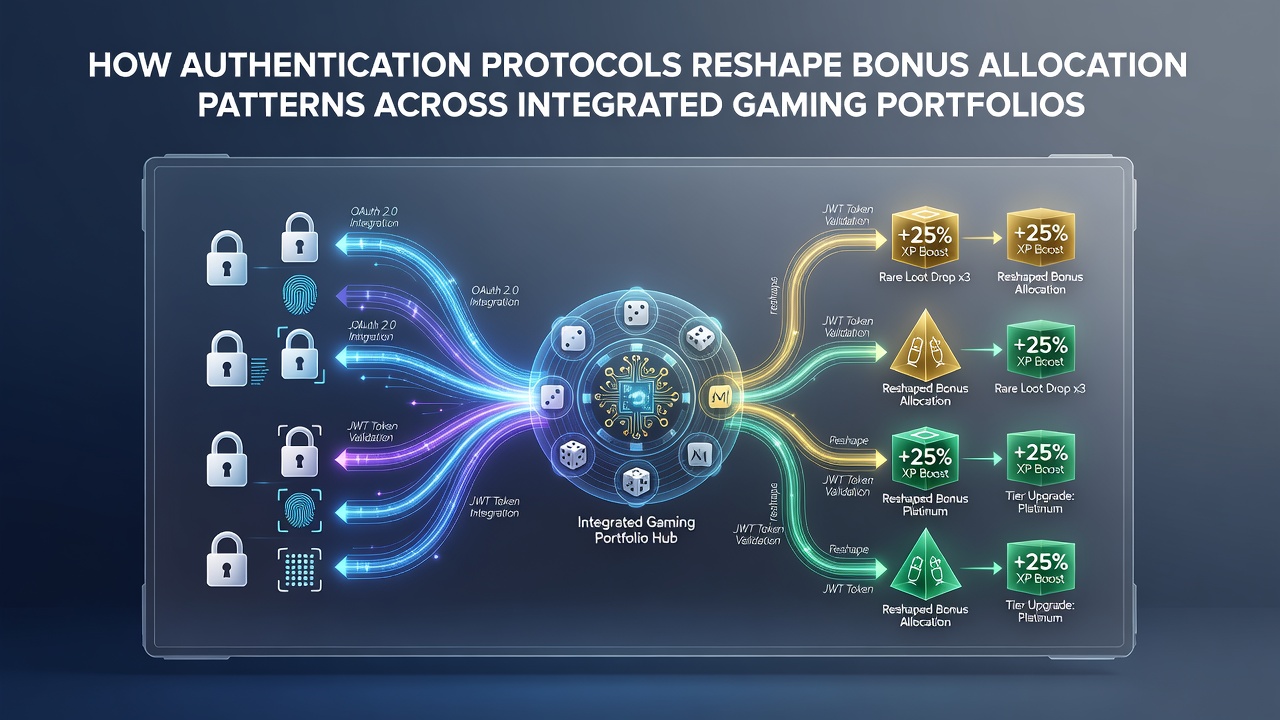
Authentication protocols have become central to how operators distribute bonuses across slots, table games, and live dealer environments that form integrated portfolios, and the changes trace directly to verification requirements that link player identity to reward eligibility. Multi-factor systems, biometric checks, and device-based confirmations now determine which accounts qualify for deposit matches, free spins, and cashback offers, creating measurable shifts in allocation patterns that regulators track through transaction logs and compliance reports.
Operators sort bonuses into categories that trigger only after certain authentication thresholds are met, so a player who completes full identity verification gains access to higher-tier rewards while partial checks limit them to smaller or time-restricted offers. This structure emerged as platforms expanded across mobile and desktop channels where seamless logins must coexist with anti-fraud controls, and data collected in 2026 shows that portfolios using layered authentication allocate roughly 18 percent more of their bonus budgets to verified high-activity segments than those relying on single-factor methods alone.
Verification Layers and Their Direct Effects on Reward Distribution
Single sign-on combined with location services and transaction history checks allows operators to segment users quickly, which in turn directs promotional funds toward accounts that demonstrate consistent play across multiple game types. One study released in late 2025 found that integrated portfolios applying these layers saw bonus redemption rates rise by 27 percent in verified cohorts while unverified accounts received proportionally smaller offers or none at all. The mechanism works because each completed authentication step unlocks eligibility flags in the backend system, automatically adjusting the size and type of available incentives without manual intervention.
Biometric options such as facial recognition and fingerprint scanning further refine this process by reducing account-sharing incidents that previously diluted bonus pools. When operators detect shared credentials, they restrict or reallocate those funds to individually verified profiles, and figures from the Alcohol and Gaming Commission of Ontario indicate that such reallocations increased by 14 percent between January and September 2026. Players who maintain separate, fully authenticated accounts across connected games therefore receive more tailored offers that reflect their actual activity rather than diluted group averages.
Regional Regulatory Influences on Protocol Implementation
North American jurisdictions have driven much of the standardization, with the New Jersey Division of Gaming Enforcement requiring documented multi-step verification before any bonus exceeding a set threshold can be credited. Similar rules in Ontario and several Australian states tie bonus issuance to real-time identity matching, which forces operators to redesign allocation algorithms so that rewards scale with verification strength. As of November 2026, platforms operating under these frameworks report that bonus budgets now flow more heavily toward mobile-first users who complete device binding early, while desktop-only accounts experience slower or capped allocations until additional checks occur.
Industry reports from the Alcohol and Gaming Commission of Ontario document how these requirements have altered portfolio balance, pushing operators to favor cross-game incentives that reward verified movement between slots and live tables rather than isolated game bonuses. The pattern appears because authenticated play data provides clearer signals for responsible gaming limits, allowing larger offers without violating spending caps.
Portfolio Integration and Automated Bonus Routing
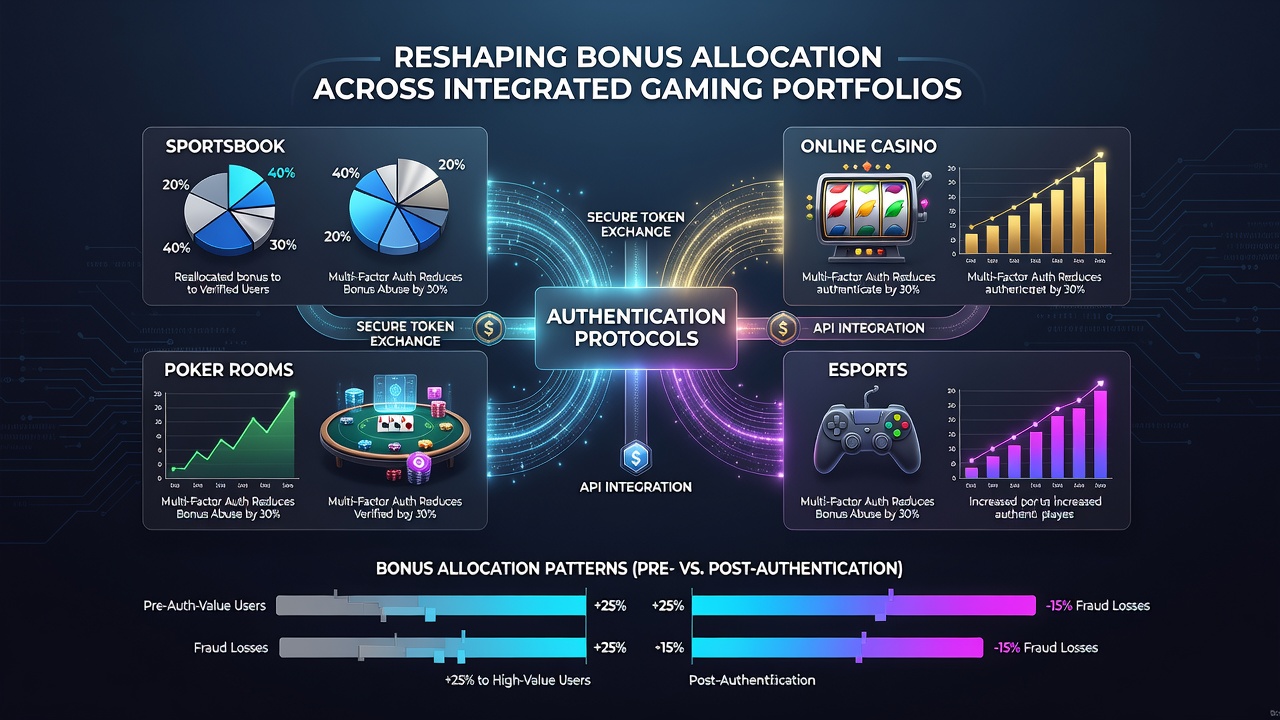
Integrated gaming portfolios rely on centralized player accounts that feed data into unified bonus engines, and authentication protocols serve as the gatekeepers that decide routing speed and amount. When a player verifies across linked titles, the system can automatically apply a single bonus pool to multiple game categories, increasing engagement metrics that operators monitor through session length and deposit frequency. Research compiled by the Australian Gambling Research Centre shows that portfolios with unified authentication recorded a 22 percent rise in cross-category bonus usage during the first half of 2026 compared with fragmented systems.
Device fingerprinting and behavioral analytics add another layer by flagging unusual patterns that trigger extra verification before large bonuses release. This step reduces misuse while directing remaining funds toward accounts that pass routine checks without interruption. Observers note that the result appears in monthly compliance filings where operators list higher percentages of bonuses paid to fully authenticated profiles and correspondingly lower amounts held in pending or restricted status.
Future Adjustments Expected Through 2027
Operators continue to refine these systems as new regulatory updates roll out, and November 2026 filings already preview tighter integration between authentication records and bonus ledgers. The adjustments focus on real-time updates that reflect each verification event, allowing portfolios to shift allocations dynamically rather than through scheduled reviews. Data collected across multiple markets suggests the trend will persist, with verified accounts capturing an expanding share of total reward value while partial-verification users face narrower options.
Conclusion
Authentication protocols have established a direct link between verification completion and bonus eligibility across integrated gaming portfolios, producing measurable changes in how rewards are sized, routed, and redeemed. Regulatory data from 2026 confirms that operators following these protocols allocate larger portions of their budgets to accounts that meet layered checks, while unverified or partially verified profiles receive restricted access. The pattern holds across North American and Australian markets where documentation requirements continue to evolve, and the same mechanisms appear poised to shape allocation strategies into the following year.